
Gallery
Seven sets from the parks, the camp and the coast. Each set is three photographs and the note that belongs with them.
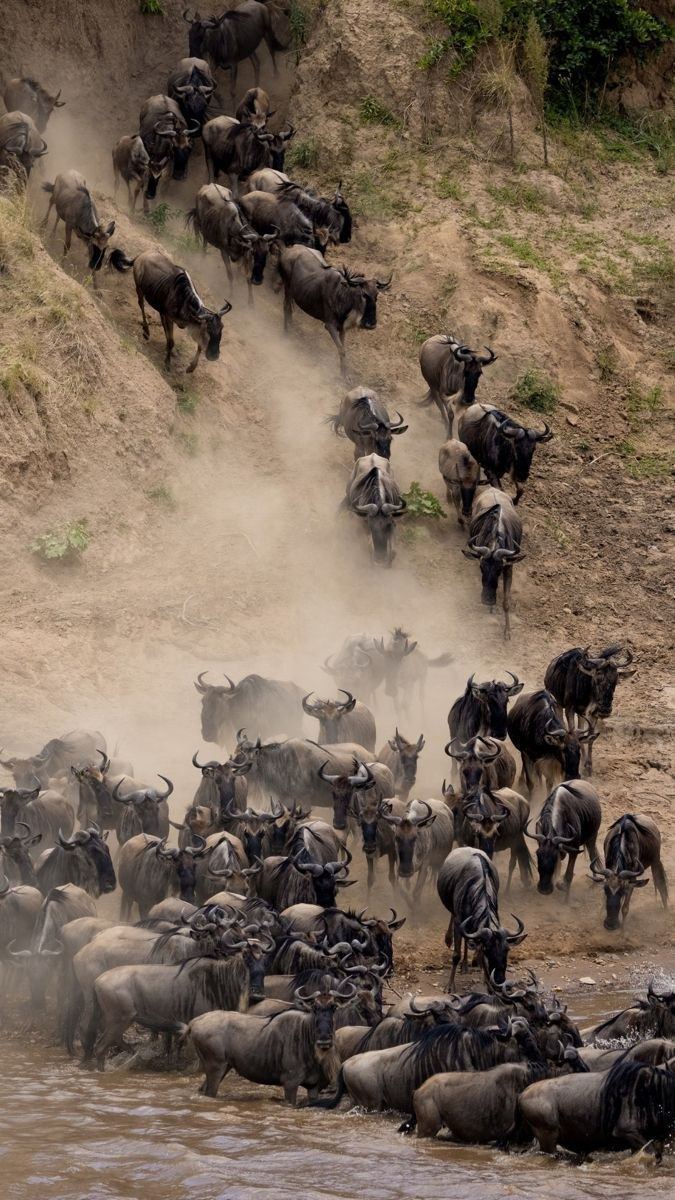


The herds
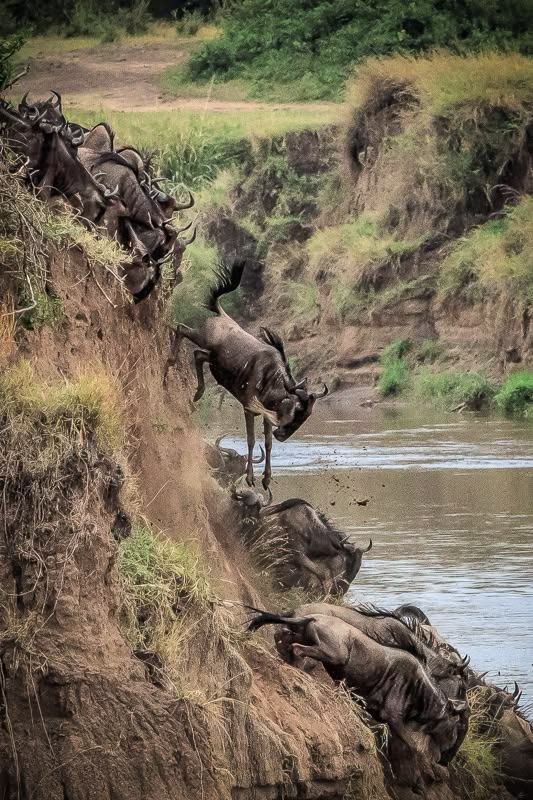
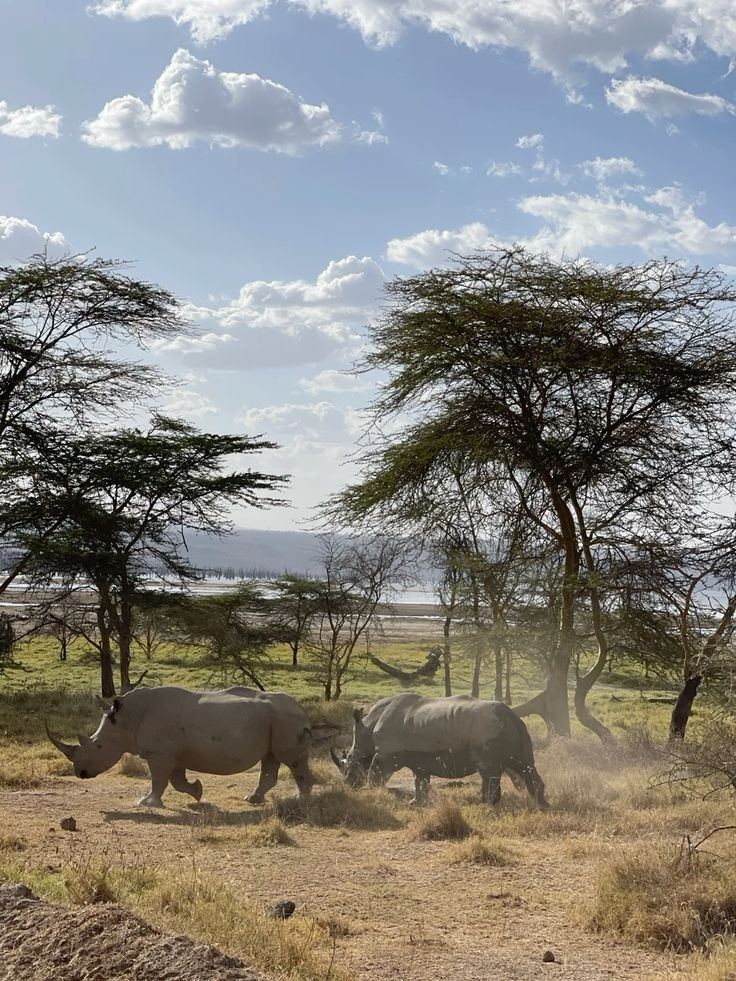
A northern safari is paced by the animals, not by the number of gates in a day. Wildebeest on the move, zebra on the open grass and buffalo crossing the track are the ordinary work of the Serengeti and the crater. The vehicle stays with them for as long as the sighting is worth, then leaves before the next car has filled the view.
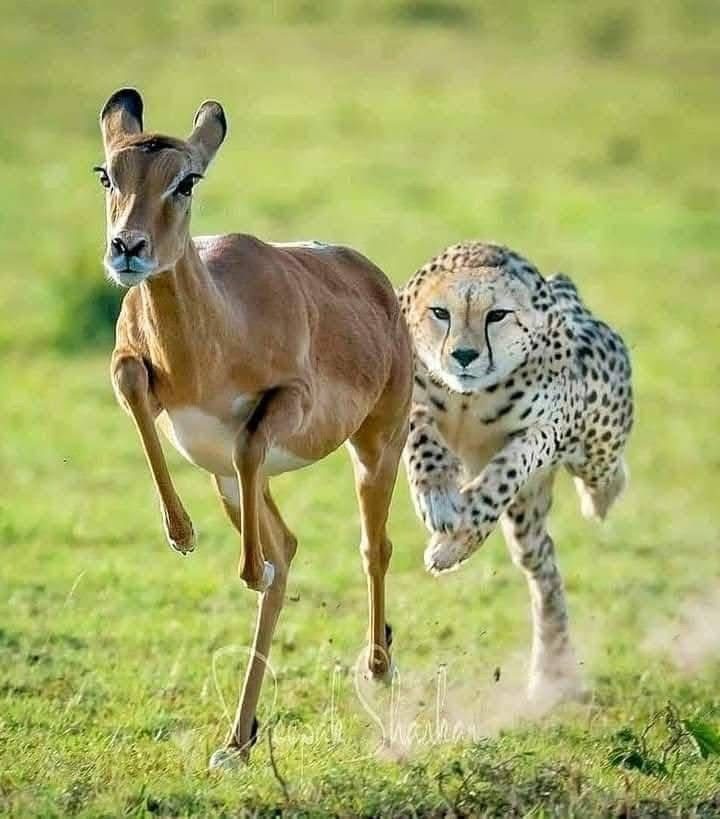
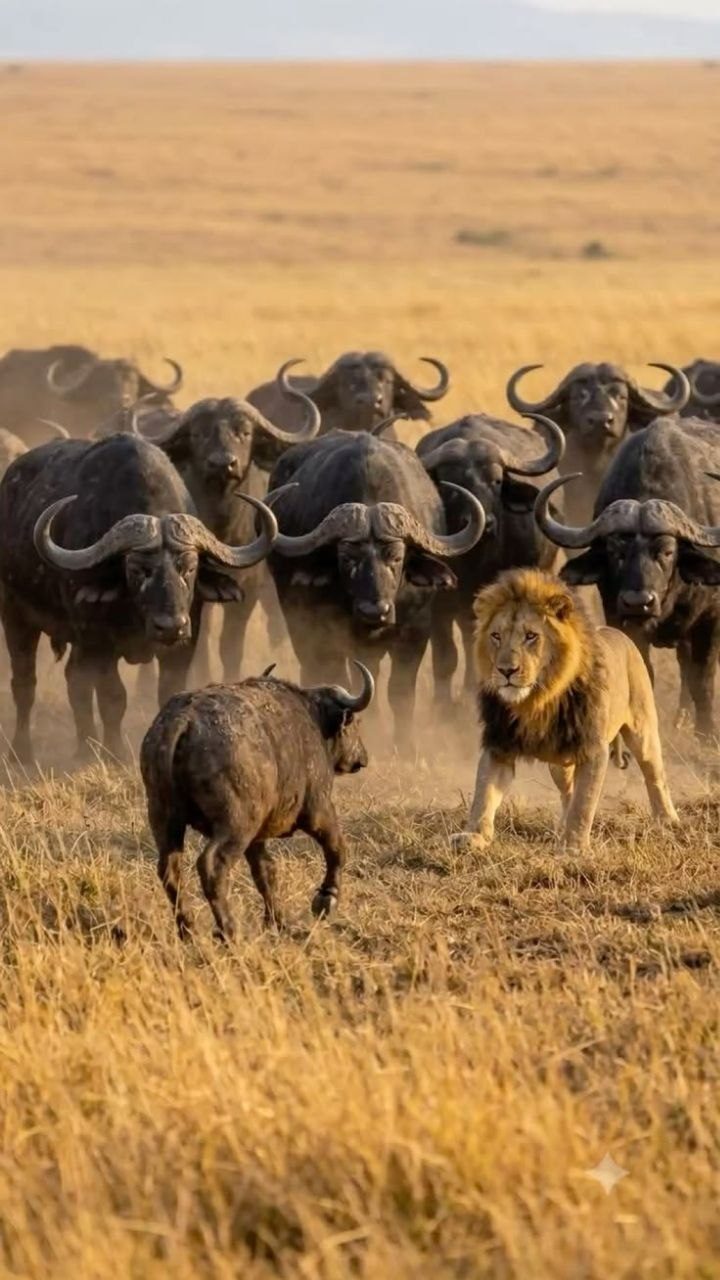
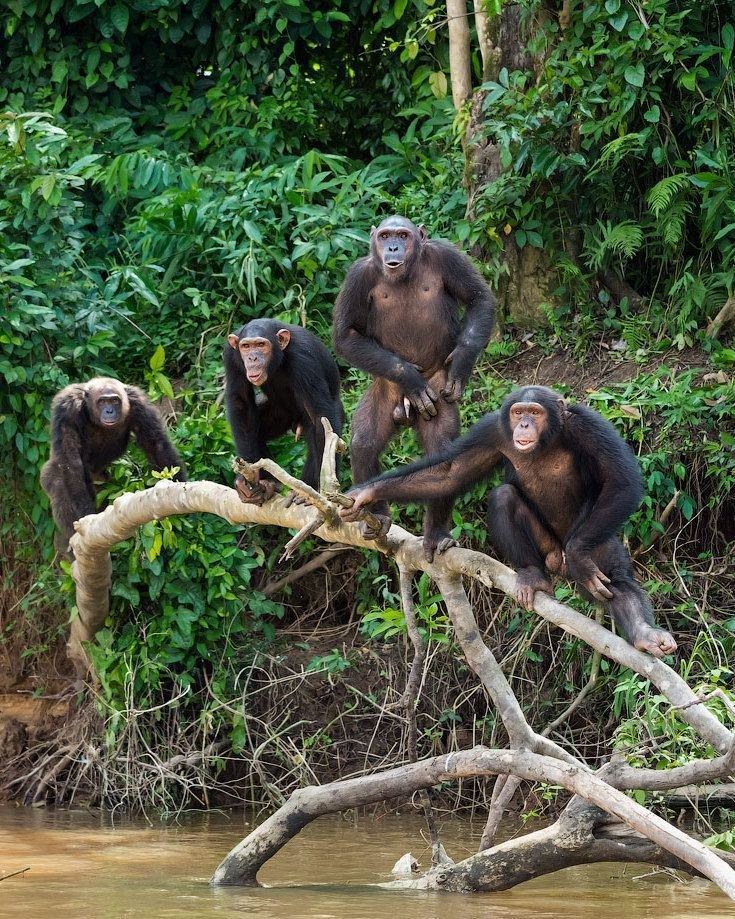
Lion and cheetah
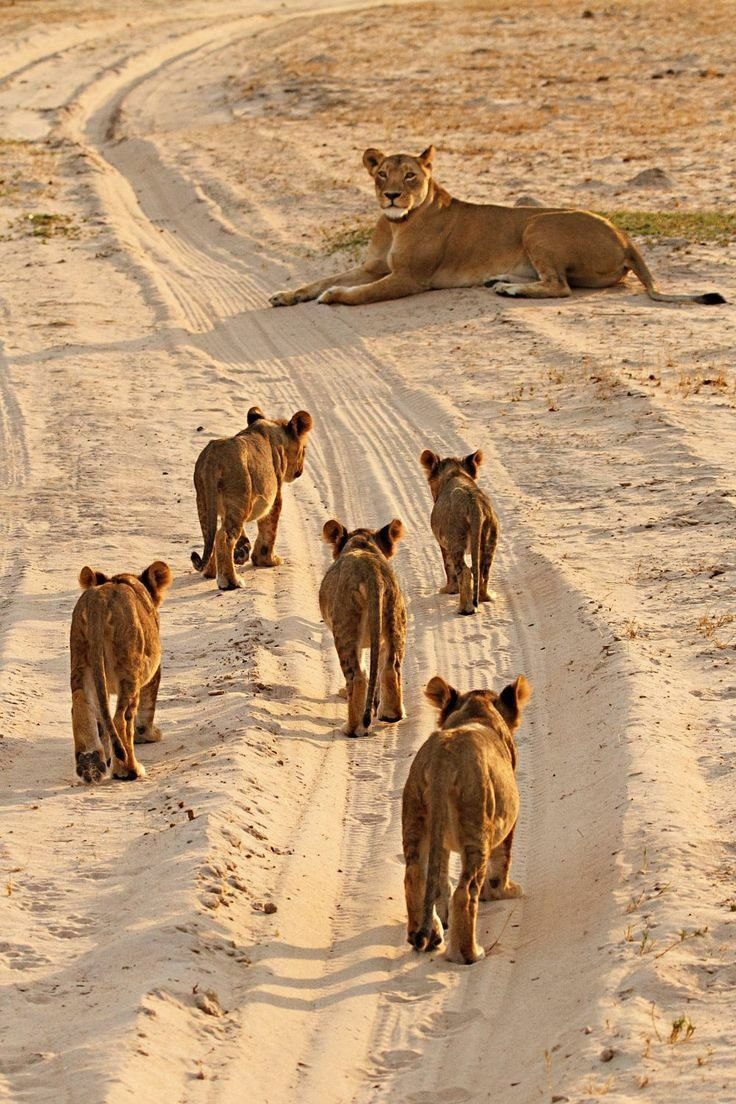
Cats are the reason a vehicle is private. A pride in the morning grass, a cheetah on the plain and a lioness low in cover are not a checklist to be ticked between two parks. The guide waits, reads the light, and moves on when the moment has passed. That is the difference between a sighting and a photograph taken from a queue.
Elephant, giraffe and the river
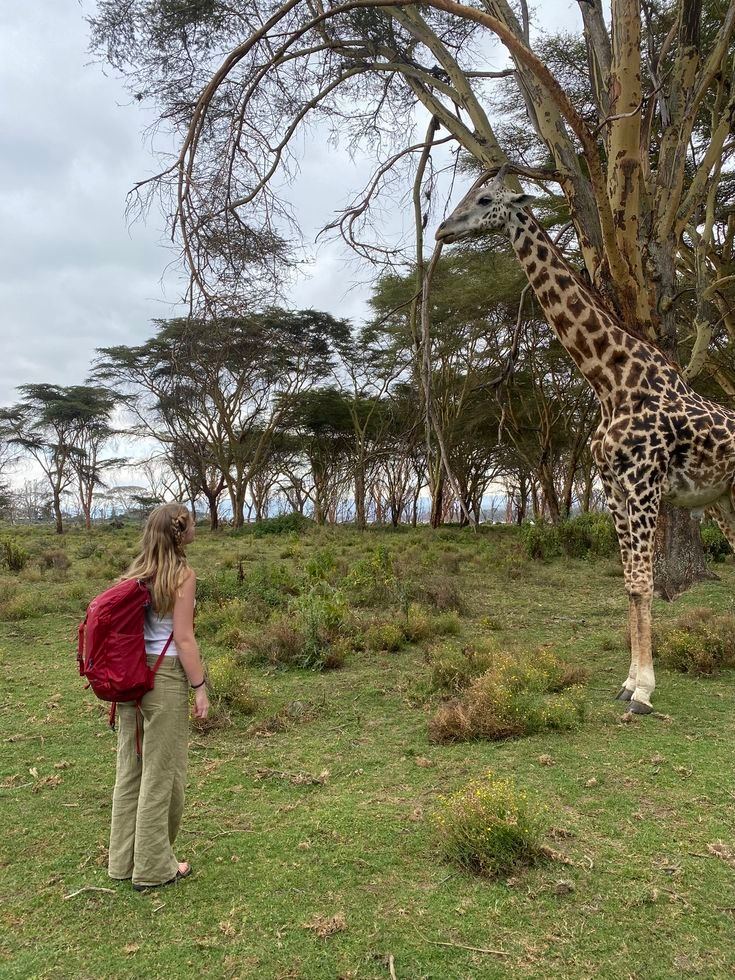
Tarangire and the rivers of the north hold the animals that need water and shade. Elephants under the acacias, giraffe in the woodland and hippo packed into a pool are best seen in the first hours, before the day is spent on the road. The stop is planned around that water, not added as an hour between two longer drives.

The private day
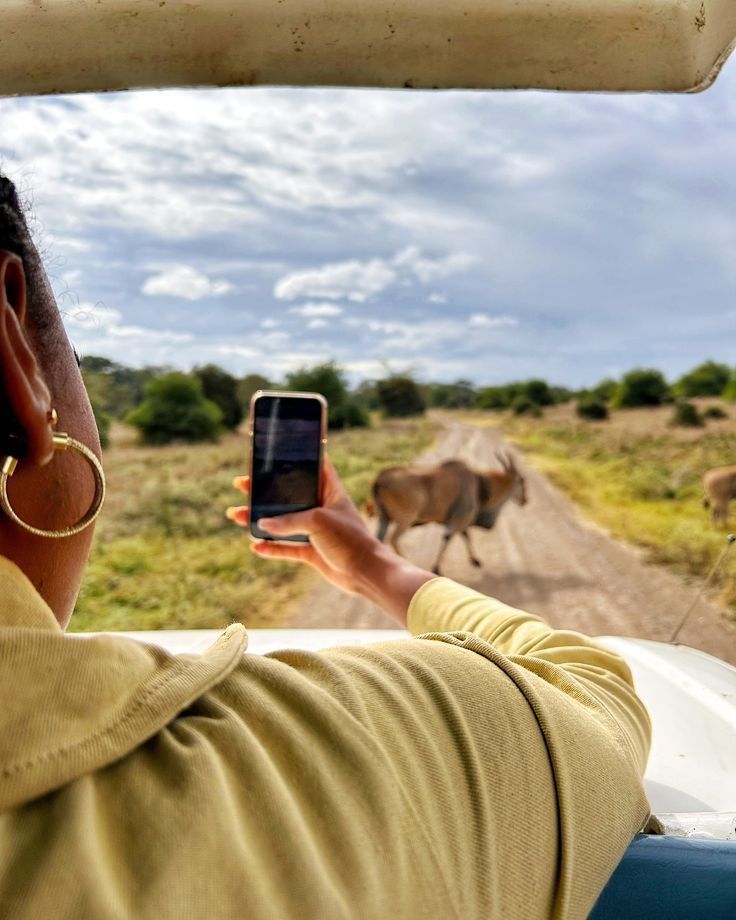
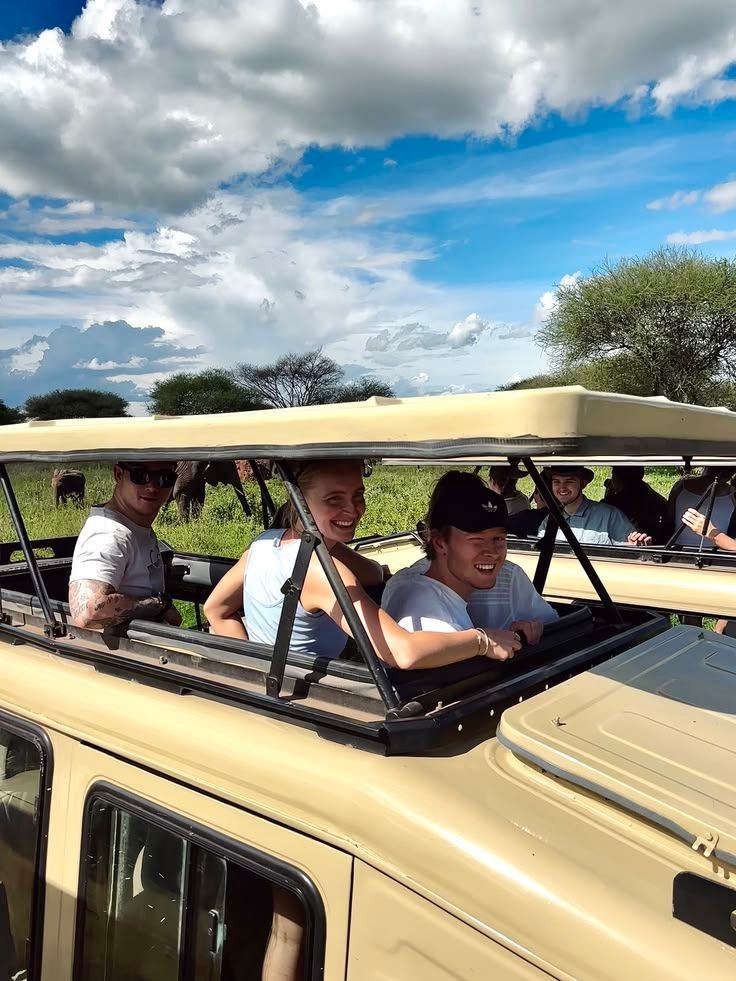
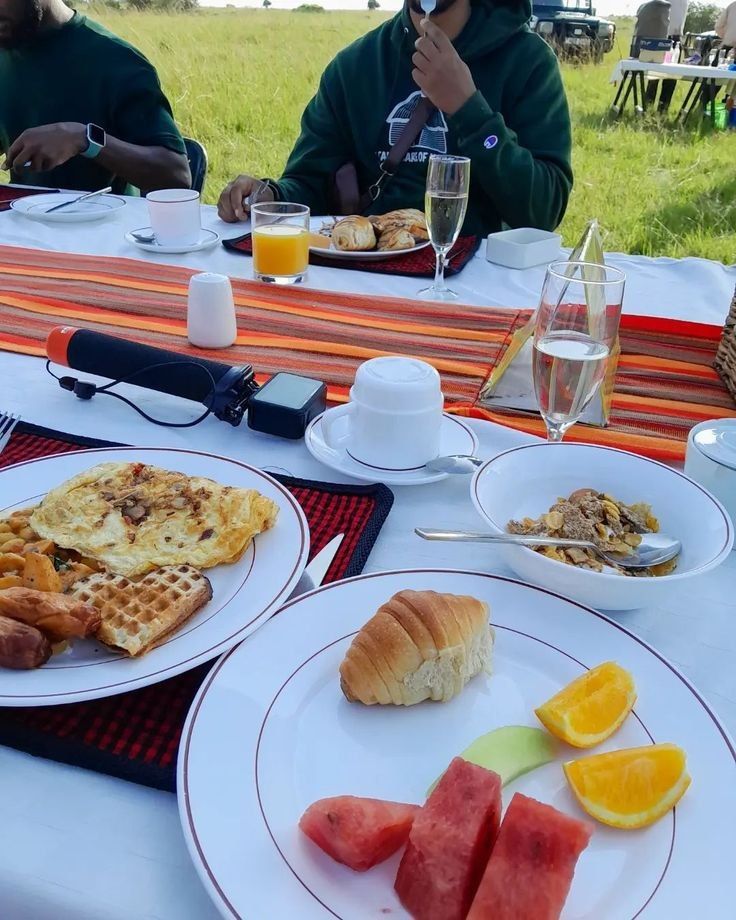
The safari is a Land Cruiser and the people who stay with it. Guests watch and photograph from the open roof. The same guide and driver are there from the first park to the last, and they decide the hour you leave camp. You are not paired with another group to fill the seats, and you are not handed to a different company at the gate.
Camp, and the birds
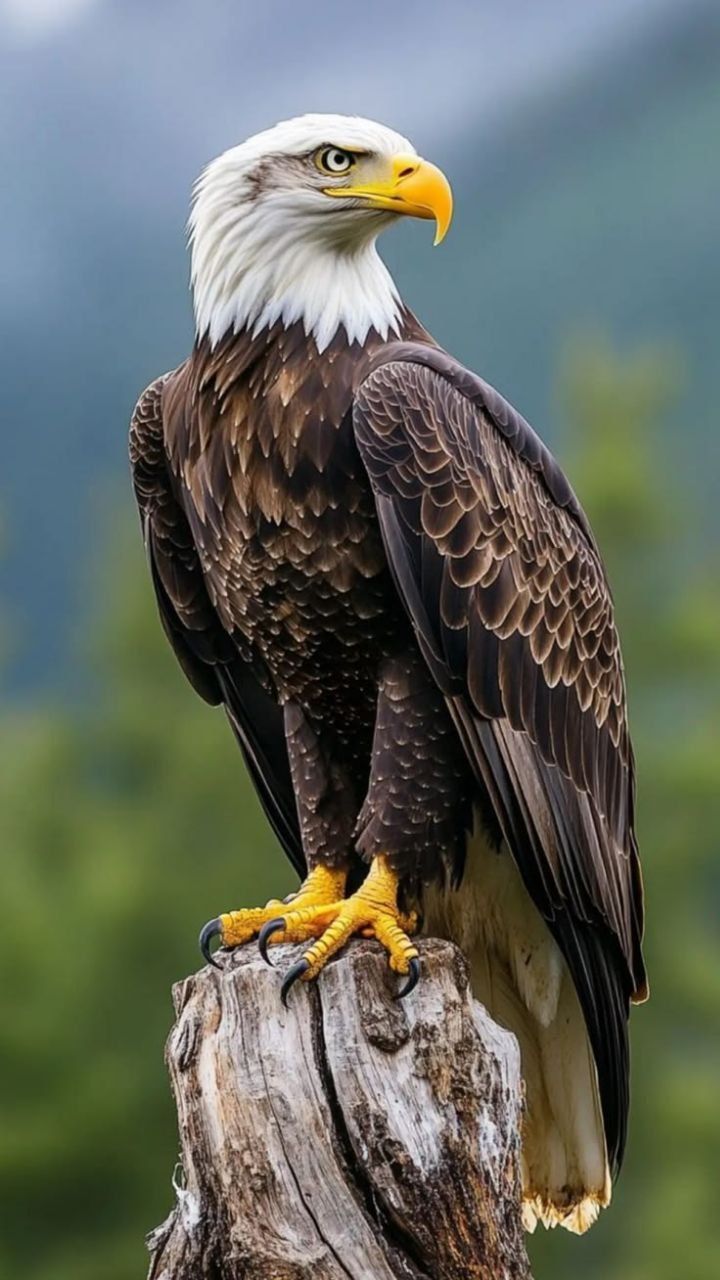
The afternoon drive ends at camp. The fire is the close of the day, not a performance. In the same woodland a lilac-breasted roller and the starlings of Tarangire are part of a slower morning, if the guide has been told the trip is for birds as well as for lion. The light on an acacia is often the last thing worth stopping for.
The coast after the bush
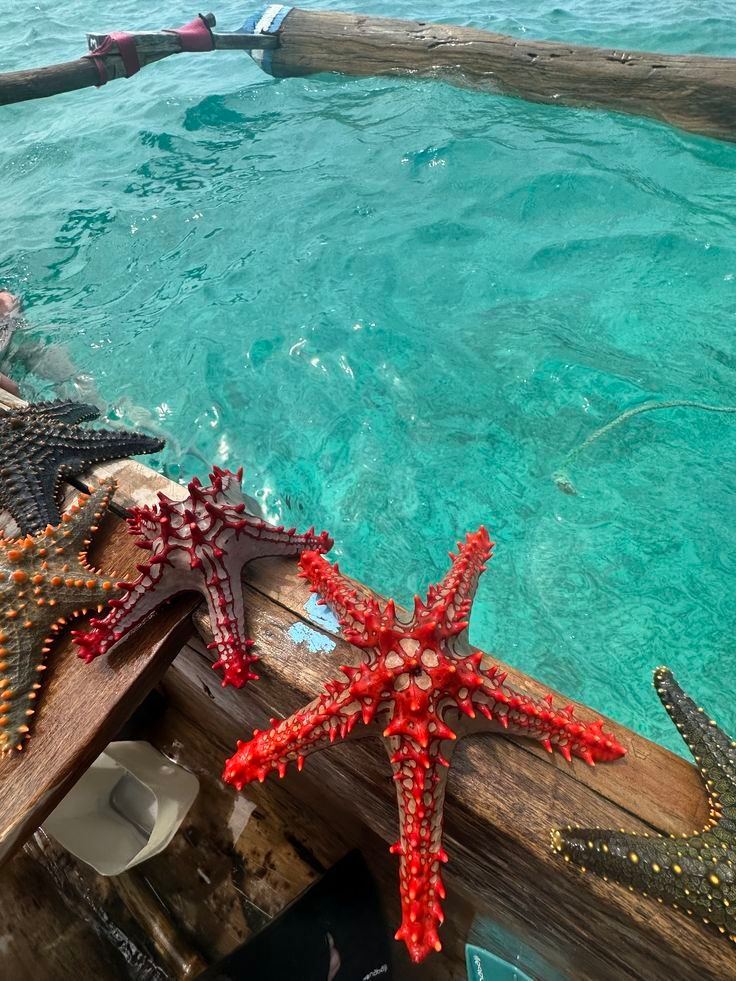
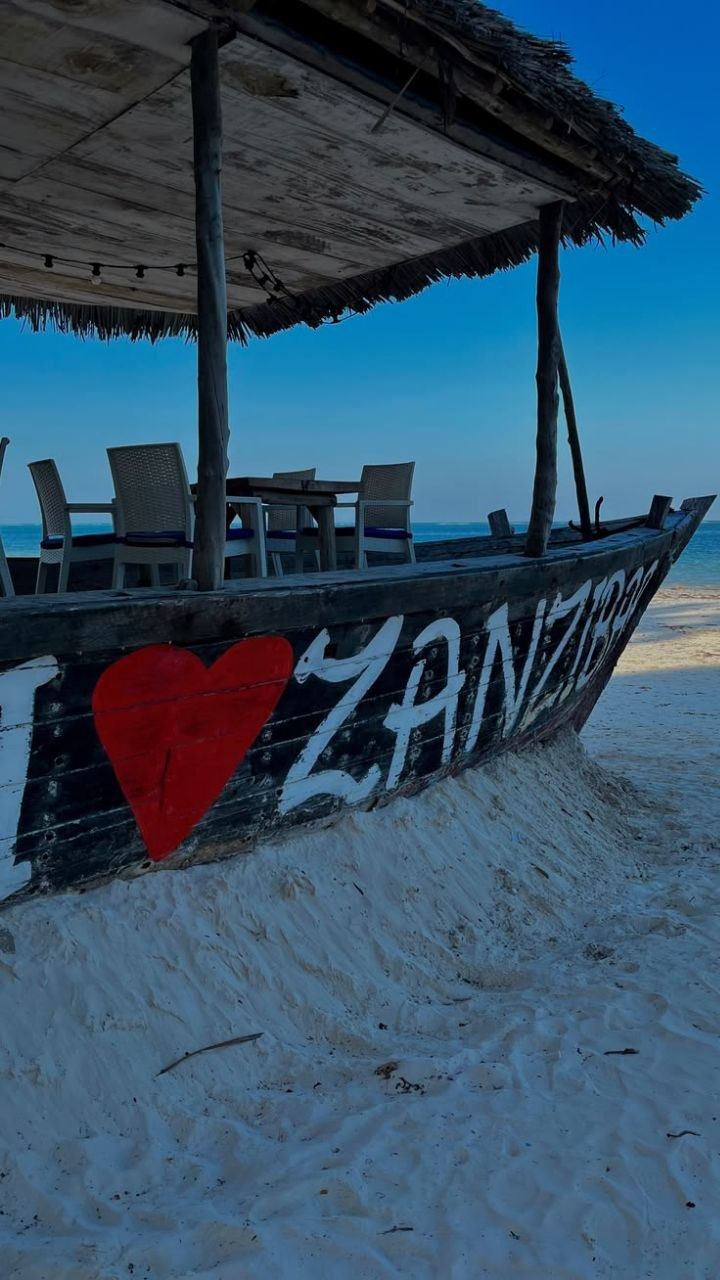
Zanzibar is added when you ask for it, after the parks, not instead of them. A dhow, the boats along the east coast and the reef at the right tide are a few unhurried days. The island nights are written apart from the park fees, so a change to one does not hide the cost of the other.
Arusha and Stone Town
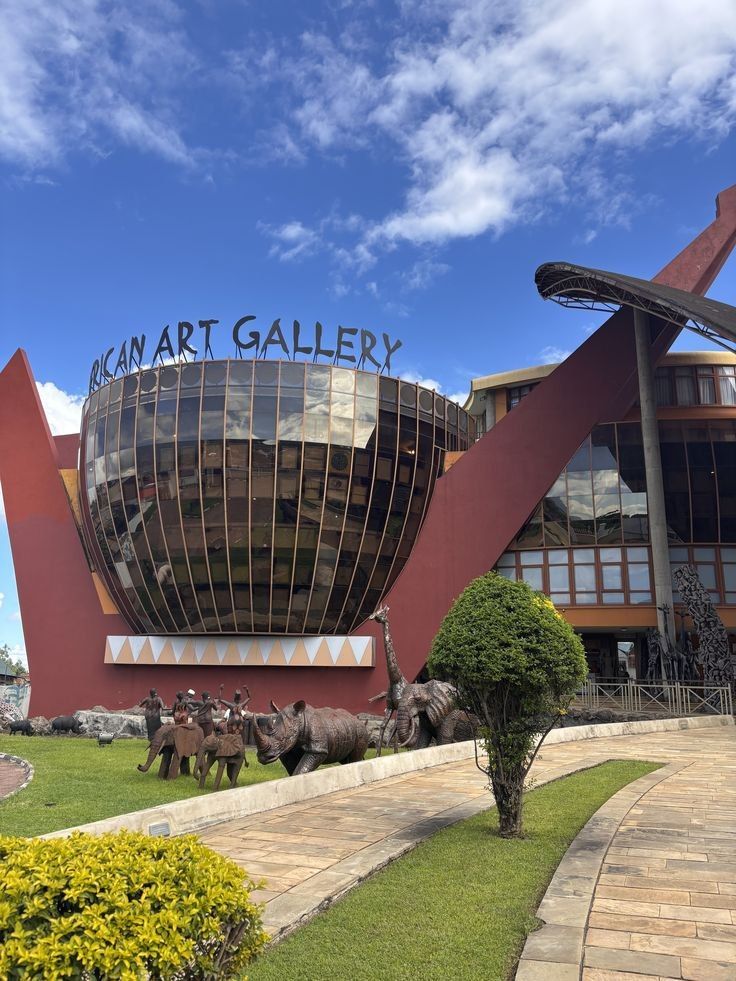
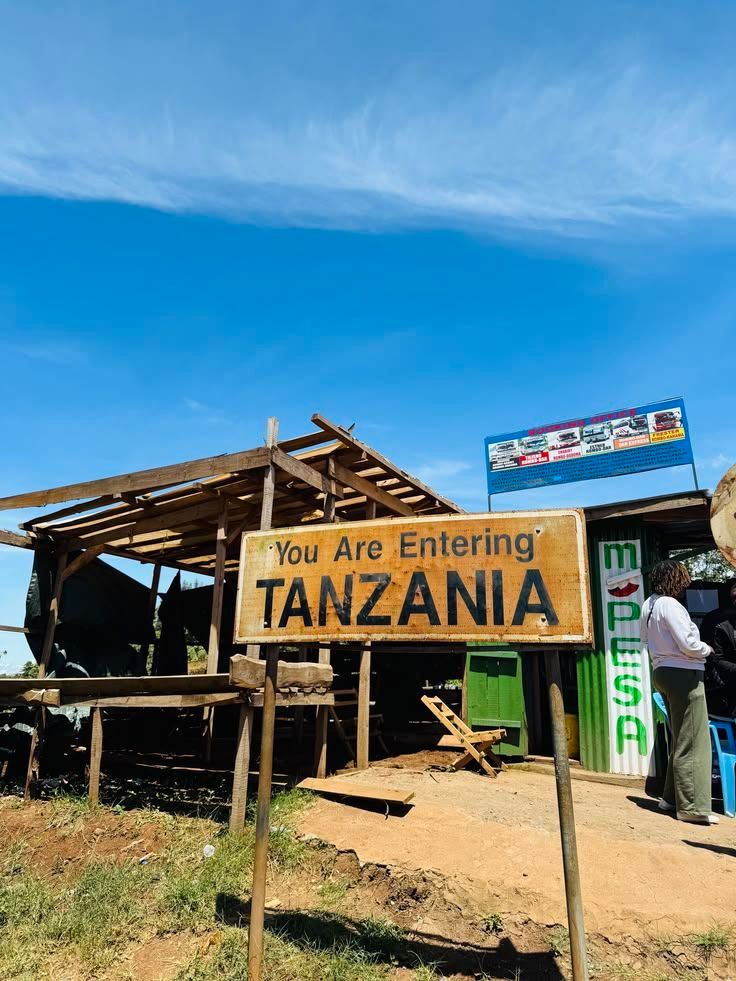
The trip begins in Arusha, where the route is written, and it can end on foot in Stone Town. The town is the fort, the carved doors and the morning market, not a list of courtyards between a flight and a beach. Half a day, used properly, is enough. A serious walk does not skip the history of the coast for a photograph of a door.